

Effective Web Design for Therapists: Elevate Your Private Practice Website and Online Presence
Having a well-designed website is a non-negotiable for therapists looking to grow their private practice.
An exceptional therapist website design can be the difference between attracting new clients and getting ignored or losing out to your competition on the psychology website directories.
This article will guide you through the essential elements of great website design for:
- Therapy Websites
- Counseling websites
- Psychotherapy websites
- Coaching websites
- Etc.
Our primary goal as a design team is helping you create an online presence that reflects your professionalism and resonates with your ideal clients.
Whether you're considering a custom design or exploring a DIY website option, we'll cover everything you need to know to make your therapy website stand out.

Why You Need a Professional Therapist Website Design
As a therapist, your website is often the first point of contact for most potential clients. But why exactly is a well-designed website so important for your private practice?
A professional therapist website serves as your digital storefront. It has to make a powerful first impression on potential clients, and for many therapists this starts with the right website feel.
It's not just about having a presence online. You need to create an experience that reflects your expertise and makes a connection with your visitors. A thoughtfully designed website can communicate your professionalism, build trust, and provide essential information to those seeking your services.
A standout website can set you apart from the competition by showcasing your unique approach, specialties, and the value you bring to your clients. By investing in effective website design for therapists, you're not just creating a website, you're building a platform to grow your private practice and reach those who need your services most.

What Are the Key Elements of Effective Website Design for Therapists?
Creating a professional website that truly serves your therapy practice involves more than just putting together a few pages. Let's explore the essential components that make up an effective website’s design.
Essential Website Pages for Your Private Practice Website
I recommend including certain key pages to present your therapy practice to future website visitors:
- Homepage: This is your digital welcome mat, a crucial element in your therapist web design. It should clearly state who you are, what you do, and who you serve. Include a compelling headline, a brief introduction, and clear calls to action.
- About Page: Here's where you tell your story. Share your qualifications, approach to therapy, and what makes you unique. This page helps build trust and connection with future clients.
- Services Page: Outline the types of therapy you offer, your specialties, and the issues you treat. Looking at examples of therapist websites can give you ideas on how to present this information effectively. Be specific to help visitors understand if you're the right fit for their needs.
- Contact Page: Make it easy for interested clients to reach out. Include your phone number, email, office address, and a contact form on your new site.
User-Friendly Navigation and Mobile Responsiveness
We live in a mobile-first society, and having a responsive website is non-negotiable. Your therapy website should be easy to navigate on all devices, from desktop computers to smartphones. Ensure that your website navigation includes a professional therapist logo, your menus are clear and intuitive, and that information is easy to find. Remember, a frustrated user is likely to leave your site and look elsewhere.
Add Engaging Content and Visual Elements to Your New Website
The content on your site should be informative, engaging, and reflective of your professional voice. Use clear, compassionate language that speaks directly to your dream clients. Incorporate visual elements like high-quality photos, soothing color schemes, and perhaps even short video introductions to create a welcoming online environment.
Website Design for Therapists Must Follow HIPAA Compliance and Privacy Laws
Maintaining client confidentiality on your therapy website design is a non-negotiable. Your website should reflect this commitment to privacy. This not only keeps you compliant but also builds trust.
- Ensure that any forms or communication tools on your site are HIPAA-compliant.
- Integrate your HIPAA-compliant patient portal into your website.
- Clearly state your privacy policy and how you protect client information.

How to Turn Visitors into Clients on Your Website Using a Funnel
In addition to the essential pages and design elements, incorporating marketing funnels and lead-generation strategies can significantly enhance the effectiveness of your therapist's website. This funnel typically includes stages such as:
- Awareness: Potential clients discover your website through search engines, social media, or referrals.
- Interest: They explore your content and services to learn more about how you can help them.
- Consideration: They evaluate whether your therapy services are the right fit for their needs.
- Action: They decide to contact you or book an appointment.
Your website should be designed to guide visitors through this funnel, providing the right information and prompts at each stage.
Creating Effective Lead Magnets
Lead magnets are valuable resources you offer for free in exchange for a visitor's contact information, typically their email address. For therapists, effective lead magnets might include:
- E-books on mental health topics (e.g., "5 Strategies for Managing Anxiety")
- Self-assessment quizzes (e.g., "Are You Experiencing Burnout?")
- Guided meditation audio files
- Worksheets for personal growth or stress management
These lead magnets should be relevant to your ideal clients' needs and showcase your expertise. Place them strategically on your website, such as in the sidebar, at the end of blog posts, or on a dedicated resources page.
Implementing Email Marketing
Once you've captured leads through your lead magnets, email marketing becomes a powerful tool for nurturing these potential clients. Consider implementing the following:
- Welcome Series: Create a series of emails that introduce new subscribers to your practice, share your approach to therapy, and provide valuable content.
- Newsletter: Regular newsletters can keep your audience engaged, share mental health tips, and highlight your services.
- Targeted Campaigns: Develop email sequences tailored to specific client needs or therapy services you offer.
- Appointment Reminders: Use email (ensuring HIPAA compliance) to send appointment reminders and follow-ups.
Remember to always respect client confidentiality and privacy in your email marketing efforts. Be clear about what subscribers can expect and provide easy options to unsubscribe.

How Can You Create Compelling Content for Your Therapist's Website?
Content is king in the digital world, and this holds true for the best therapist websites as well. Let's explore how to create website copy that resonates with your target audience while showing them why and how you'll be able to help them achieve the transformation they need.
Write Website Copy to Attract and Engage Your Target Audience
To go beyond how your website looks and feels, we need to truly understand your ideal client is crucial when creating website content. Use language that speaks directly to their needs, concerns, and aspirations. Avoid jargon and instead opt for clear, compassionate communication that makes them feel seen, understood, and supported.
Share Your Unique Approach and Specialties
What sets you apart as a licensed therapist? Whether it's a specific therapeutic approach, years of experience in a particular area, or a unique combination of services, make sure to highlight these on your website. Use your content to demonstrate your expertise and the unique value you bring to your clients.
Developing a Resources Section or Blog
A blog or resources section can be a powerful addition to your website. It allows you to share valuable information with your audience, establish yourself as an authority in your field, and improve your website's SEO. Consider writing about common mental health issues, coping strategies, or insights from your practice (while maintaining client confidentiality, of course).
TIP: If this feels overwhelming to you, consider hiring a copywriter for your therapy website or hiring a copywriting coach to help you write copy that makes an impact on your visitors and inspires them to take action to get the help they need. Your website designer may offer copywriting services or they could recommend you to a copywriter they've worked with before.
Book a Free Clarity Call Today to Talk About Copywriting for Your Therapy Website!

SEO Best Practices For Your Private Practice Site
Search Engine Optimization (SEO) is crucial for ensuring your website is visible on Google. Let's look at some basic SEO for therapists:
Why You Need SEO for Online Visibility
Optimizing your website helps the search engines understand what it's about so they can rank it higher in search engine results for the queries your potential patients use. The better optimized your site is, the more likely potential clients will find you when searching for therapy services in your area. Without proper SEO, even the most beautifully designed website might go unnoticed.
Implementing Effective SEO Techniques
Start by researching keywords relevant to your practice. These might include terms like "therapist in [your city]," "anxiety counseling," or "family therapy services." Incorporate these keywords naturally into your website content, including page titles, headers, and meta descriptions.
Create high-quality, informative content that addresses the needs and questions of your clients. This not only helps with SEO but also positions you as an expert in your field.
Ensure your website is technically sound. This includes having a fast loading speed, mobile responsiveness, and a secure (HTTPS) connection.
Local SEO for Tips for Therapists
If you serve your clients in person, local SEO is particularly important. Make sure your practice is listed on Google My Business and other local directories. Include your location and service area clearly on your website to help attract local clients. If you only provide online therapy, focusing on keywords related to the type of therapy you provide is recommended.

How to Choose the Right Web Designer for Your Therapy Practice?
Selecting the right designer who knows how to help therapists build a website is a very personal decision. Just like your patients need to have someone who specializes in helping them find the healing they need, you need a website designer you trust, who knows how to help therapists succeed. Here's what to consider for a professional web presence and successful therapist website:
Find Custom Web Design Companies Who Specialize in Creating Websites for Therapists, Coaches, and Other Service Businesses
You want to choose a designer who understands the unique needs of your practice, including the importance of creating an online environment that feels safe, makes a connection, and positions your practice as the premier option in your local area and niche. Yes, you're a therapist who needs a website that looks professional, but you also need one that works to attract website visitors and fill your practice.
Evaluating Portfolio and Experience Building Professional Websites
Review the designer's portfolio to see other therapist website examples. Confirm if their style aligns with your vision and the overall website feel you want to create. Look for websites that are not only visually appealing but also functional and user-friendly. Ultimately you're evaluating whether they can create beautiful websites that reflect your value and expertise as a therapist. Remember to read their testimonials to see what other clients are saying. It's a great way to get a feel for their expertise, character, and the problems they solve.
Choose the Right Website Package for You
A new therapist needs less in a website than an established counseling group offering multiple services to difference audiences. Make sure your website package is appropriate for the stage your business is currently in. If you're just starting out, go with an affordable website that allows room for future growth. If your practice is growing and you've got the budget to invest in a business website with all the bells and whistles, go for it!
Understanding the Web Design Process
Your web designer should be able to clearly explain their process, from the initial consultation to copywriting, wire-frames to website launch, and optimizations to ongoing website maintenance. They should take the time to understand your practice, your goals, and your target audience. Ensure they're open to your input and willing to make revisions to achieve your vision so you end up with a website that's as unique as you are.
Ask About Other Services They Provide to Their Custom Therapist Clients
An experienced website designer can often do more than just provide web design for therapists and others.
In fact, if you're working with a boutique agency, like Wise Owl Marketing, in addition to providing counselor and therapist website design services, we'd love to help you with other areas of your marketing, too. We learn a lot about your business through the website design process, and we know that building a website isn't the goal. Attracting therapy clients is.
Our goal is to have a long-term relationship with our clients. After your website is built, we want to continue to support you, so you can focus on building your business and taking care of your clients. We want to be a therapist's dream team for their online marketing and presence.
When you're ready to start marketing and getting your business in front of people looking for a therapist who provides your "magic," we provide services like:
- Creating blog and social media content
- Providing marketing strategy and consulting
- Setting up email sequences and sending newsletters
Looking for a Designer for Your Therapy or Counseling Website?

Custom Design vs. Website Templates: Which is Right for Your Therapy Website?
When it comes to creating your website, you have two main options: custom design or using a template. Both can give you a great therapist website with design elements to create a unique client experience. Let's explore the pros and cons of each approach to find the best website option for your needs.
Pros and Cons of Each Approach
Custom Website Design
Pros:
- Unique design tailored to your specific needs
- Full control over functionality and features
- Ability to create a truly distinctive online presence
Cons:
- Generally more expensive
- Can take longer to develop
- May require more involvement from you in the design process
Website Builders & Website Templates
Pros:
- More affordable for people with simpler website needs
- Quicker to set up
- Often come with designs optimized for specific industries
Cons:
- Less unique, as other counselor websites may use the same template
- Limited customization options
- May not fully align with your specific needs
There is a hybrid option...
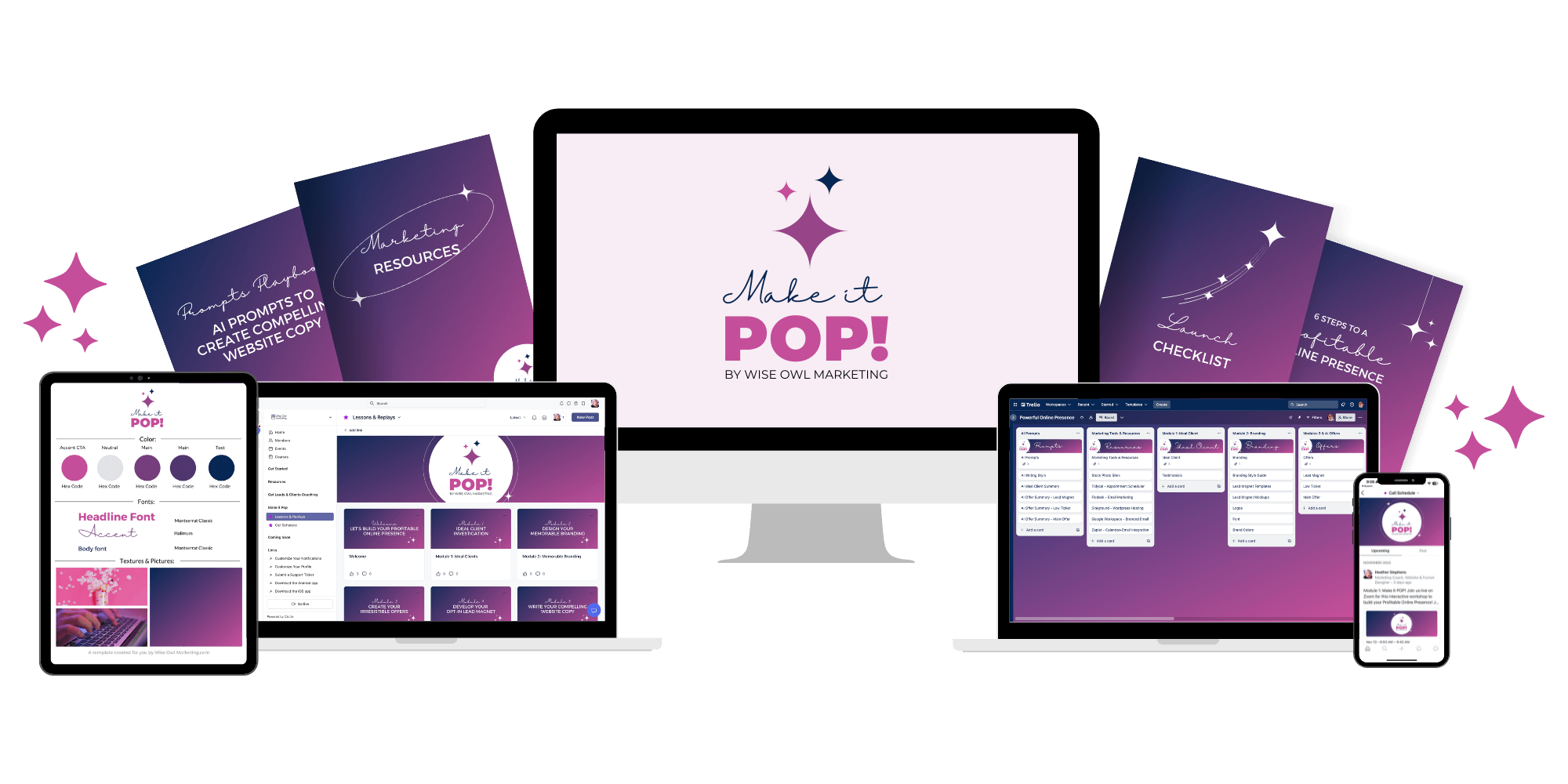
Make It POP! is Your Shortcut to a Beautiful, Effective, and Affordable Therapist Website!
Make it POP is a six-week experience in which the Wise Owl Marketing team and I will help you co-create a website for your therapy or consulting practice for about one-tenth the cost of a custom website!
How Can You Ensure Ongoing Website Success?
Creating even the best therapist website is just the beginning. To truly benefit your practice, your website needs ongoing attention and optimization.
Importance of Regular Website Maintenance and Updates
Regular updates keep your website secure, functional, and relevant. This includes updating your content, ensuring all links work, and keeping your design fresh. Regular maintenance also involves updating any plugins or software your site uses to prevent security vulnerabilities.
Ask your designer if they offer website care packages that provide hosting, website maintenance, updates, revisions, etc.
Measuring Success Through Analytics
Use tools like Google Analytics to track your website's performance. Monitor metrics like visitor numbers, page views, bounce rates, and conversion rates. This data can provide valuable insights into how users interact with your site and where improvements can be made.
Continual Optimization and Improvement
Many therapist websites are static and don't get much love and attention once they're launched. Best practices are to frequently update your website based on your analytics and feedback from clients, so you can continually refine and improve your website. This might involve tweaking your content, adjusting your design, or adding new features to better serve your clients and attract new ones.

What Practice Management Tools Should You Integrate into Your Website?
Integrating the right tools can transform your website from a simple online brochure into a powerful practice management asset.
Online Booking Systems
An online booking system allows clients to schedule appointments directly through your website. This convenience can significantly improve the client experience and save you time on administrative tasks. Many of the HIPAA-compliant systems for managing your practice include online booking calendars you can embed on your website without technical difficulty.
Secure Contact Forms
Implement secure, HIPAA-compliant contact forms to allow potential clients to reach out safely. Ensure these forms collect the information you need while respecting client privacy. Make sure you have a privacy policy that reflects this. (My favorite platform for creating legal policies for your website is Termageddon - thank you for using my affiliate link.)
Lead Generation Funnel
Turn website visitors into subscribers to warm up interested clients and earn their trust. Consider creating a lead magnet that can help your audience solve a problem and open the door to conversation about how you can help them create lasting change. A monthly newsletter that includes information about your practice, events, links to recent blog posts, etc., can help you nurture subscribers.
Event Booking Page
If you hold events, like workshops and group sessions, to attract or serve clients, have a page on your website showcasing your events and giving people a place to register.
Speaking Page
Do you want to get more interviews on podcasts or be invited to speak about your expertise? Include a speaking page on your site with information about the types of talks you give, topics you cover, and a form to allow people to inquire more.

Conclusion: Taking Your Effective Therapist Website to the Next Level
Creating an effective website is a powerful way to build your practice and reach more clients who need your help. By focusing on professional design, compelling content, strong SEO, and integrated practice management tools, you can create a web presence that truly reflects your expertise and attracts your ideal clients.
Remember these key points in your new website strategy:
- Your website is often the first impression potential clients have of your practice
- Effective design combines aesthetics with functionality and user experience
- Compelling content speaks directly to your ideal clients' needs
- SEO is a must-have for helping potential clients find you online
- Regular maintenance and optimization keep your website working hard for your practice
- Integrating practice management tools can streamline your operations
Whether you choose a custom design or a template, work with a professional designer, or do it yourself, the most important thing is that your website accurately represents you and your practice. It should be a tool that not only attracts new clients but also serves your existing ones, ultimately helping you to grow your private practice and make a bigger impact in the lives of those you serve.
Next Steps for Your Therapist Website
Start by evaluating your current online presence and identifying areas for improvement. With the right approach and tools, you can create a beautiful therapist website that not only looks professional but also effectively grows your practice.
Don't let your website be just a digital business card – Let's create a powerful marketing tool for connecting with those who need your services most.

Looking for Something Specific?

Where Should I Send Your Free 2026 Marketing Planning Bundle?
*Your free planner will be delivered to your inbox. Check your spam folder if you don't see it within 15 minutes. Submit a support ticket if you need help. By entering your email address, you agree to receive emails, including marketing tips, offers, and announcements, in accordance with my privacy policy.
