
Recurring revenue is what stops you starting every month at zero. Instead of finding new clients to replace last month's income, some of next month's revenue is already committed before it begins. This post walks through nine models a coach or service provider can actually run, from memberships and subscriptions to retainers and packaged programmes, with what each one asks of you. The argument for it is not just money. It is knowing what is coming, which changes the decisions you make.
Achieving financial stability and growth is a top priority for business owners. One powerful strategy is the implementation of recurring revenue models.
This comprehensive guide will explain what recurring revenue means. I'll show you several kinds of recurring revenue business models you can leverage in your business and the benefits and challenges. We'll explore ways to secure future revenue when subscription and non-subscription models are combined. Finally, I'll help you brainstorm ways to generate recurring revenue by providing both one-on-one and leveraged group programs.
Understanding the Recurring Revenue Model
The recurring revenue model is not just a buzzword; it's a viable business model that can transform your financial outlook. At its core, a recurring revenue business model involves generating income from customers regularly and continuously. This consistent revenue stream can come from a variety of sources, including subscriptions, product or service renewals, monthly fees, and more.
Types of Recurring Revenue Business Models
Before we dive deeper into the intricacies of recurring revenue, let's touch on the different types of recurring revenue models:
- Subscription: Customers pay a regular fee for access to a product or service.
- SaaS (Software as a Service): Businesses offer software solutions on a subscription basis.
- Monthly Recurring Revenue: Income generated from monthly fees or subscriptions.
- Annual Recurring Revenue: Similar to monthly, but on a yearly basis.
- Customer Retention: Maintaining a base of loyal recurring customers who buy from you every month.
- Subscription Business: Entire business model based on subscription revenue.
- Per-Seat Billing Model: Charging per user or seat for access to a product or service.
- Predictable Revenue: Consistently forecasted income stream.
- Recurring and One-Time: Combining recurring and one-time revenue sources.
- Rolling Monthly Contract: Contracts that get renewed on a rolling monthly basis.
These types of recurring revenue offer diverse opportunities for business owners to earn recurring revenue and create a steady and predictable stream of income. But why is recurring revenue so important, and how can it benefit your business?
Why I Believe Every Coach Needs at Least One Recurring Revenue Product:
Do you have the peace of mind from owning a recurring revenue business model that brings you a minimum amount of monthly revenue with a subscription product?
The answer is no if you’re like most of my clients when they come to me.
Cash flow is a major dilemma in a service-based business. Good and bad months are common for any coach or service business, making budgeting and predicting our income extremely challenging.
Adding recurring revenue can help streamline your cash flow to cover your overhead and recurring expenses!
If you’re a business owner who is marketing online, you’re most likely paying for many, if not all, of the services below:
- Internet
- Cell Phone
- Email Service Providers
- Online Scheduler
- Website Hosting
- Domain Name Renewals
- Website Maintenance & Security
- Photographs & Marketing Materials
- Computer Software
- Cloud Storage
- Mileage
- Office Supplies
- Postage
- And maybe even Advertising Costs, Rent, Shipping, Packaging Supplies, Product Fulfillment, Insurance, etc.
Bills come in every month, steadily like the waves in the ocean without an end in sight. Sometimes, the waves are small, sometimes, they’re bigger. But the one thing you can count on is that if you keep using the service, the payments will keep needing to be made.
Knowing that you’re financially in the hole each month and need to earn
nbsp;X amount to just break even can be frightening. Plus, many business owners don’t know where their next client (paycheck) is coming from because they lack a highly converting lead generation funnel and solid marketing strategy.Knowing the amount of revenue you'll bring in each month eliminates stress.
I get it if you stress month-to-month because you're living paycheck to paycheck or client to client. I've been there myself.
For the first year in my business, I focused 100% on creating websites for coaches & consultants. I’d market, get a few clients, fill my calendar, then get busy and stop marketing. I'd freak out once I’d finished the work because I didn’t have more work lined up. I wasn’t marketing consistently, and every content delay that delayed my paycheck threw me into a financial tailspin. I hated starting every month with a big fat ZERO in my income column, even though I had a big fat scary number in the expenses column of my balance sheet.
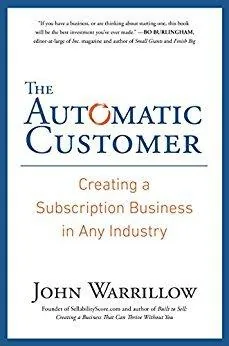
That’s when I read The Automatic Customer by John Warrillow. The book teaches readers how to create a steady flow of repeat customers (automatic customers) who pay month after month.
I was intrigued! Not knowing how much revenue you'll generate each month was one of my biggest challenges. Having predictable revenue for the business makes planning so much easier on the business budget side and with my family's budget.
Why I Created My Own Monthly Recurring Revenue (MRR) System:
I began offering website maintenance & security as an add-on option for every website proposal I sent out. Adding this subscription website maintenance service created a perfect win/win for my clients and myself. My clients have the peace of mind and ability to focus on their business, knowing that I’ve got their back when it comes to their website technicalities. I know that I have a certain amount of income coming in each month, regardless of any new clients who may come in.
What a difference a year makes! Creating a recurring revenue business model has completely changed my business. Yes, my revenue may fluctuate from month to month. But now that I've embraced the recurring revenue model as a business, I am choosing the projects that sound fun to me, serving my clients on a much higher level, and eliminating the cash flow roller coaster.
I still have non-recurring revenue streams, but my focus is on growing two or more revenue streams that generate ongoing income. I now have the Peaceful Marketing Lab, a membership business coaching program, and I have the monthly planning sessions to help people plan their marketing strategy. Both of these income streams, including the website maintenance care plans, mean I am generating revenue at scheduled intervals throughout the month.
The Benefits of Recurring Revenue in Your Business
1. Financial Stability and Predictability
- Recurring revenue provides a consistent income stream, reducing the uncertainty associated with one-time revenue models.
- Predictable income allows for better financial planning and decision-making.
2. Sustainable Business Growth
- With the predictability of recurring revenue, businesses can create more accurate and effective business plans.
- Steady revenue means you can set realistic goals and allocate resources efficiently.
- When a significant portion of a company’s revenue comes fromrecurring sources, it makes it easier to know you can afford to bring on that new VA or invest in a new website or funnel, for example.
- It helps businesses leverage new opportunities and scale their operations.
3. Enhanced Customer Relationships
- Recurring revenue models focus on customer retention, fostering long-term relationships and loyalty. I have customers who have been a part of my membership program since I started it several years ago.
- This leads to increased customer lifetime value, referrals for you, and better results for your clients.
- Consistently delivering value to customers through ongoing products or services builds trust and loyalty. When customers know they can rely on your business for their needs, they are more likely to stay with you and refer others.
- I've got a history with my clients. I know what they've tried, what's worked in the past, and where they're repeating patterns that hold them back! I can call them out on their stuff or give them a pat on the back when they need it.
4. Improved Profit Margins
- Recurring revenue often has higher profit margins as customer acquisition costs are spread over time. It's more expensive to acquire a new client than to keep an existing one.
- It's a cost-effective way to increase overall profitability by boosting the lifetime value of your clients.
- A recurring revenue model provides a solid foundation for sustainability and scalability. It allows businesses to reinvest in themselves, expand their business, and experiment with new ideas confidently.
5. Valuable Data Insights
- Regular interactions with customers generate valuable data for improving products and services. I frequently ask my members what they need. My Peaceful Marketing Lab members dictate the topics we go deep into, the workshops and challenges we offer, etc. I also get blog post ideas from our 2x per-week coaching calls!
- Data-driven decisions lead to better customer experiences and higher retention rates.
6. Competitive Advantage
- Businesses that use a recurring revenue model can outperform competitors with inconsistent income streams.
- Consistent income allows for better planning, investment, and strategic decision-making.
- Recurring revenue helps businesses weather economic downturns and unexpected challenges more effectively. It makes growing a business during challenging times easier.
How to Leverage the 9 Subscription Business Models for Online Businesses:
In The Automatic Customer, John Warrillow talks about the 9 Subscription Models. I’ve summarized them below and given you suggestions for recurring revenue business ideas to help you implement them in your business.
1. The Network Model
(Cable TV, Internet, Cell Phone)
This type of subscription model works best for businesses where the service/product improves with the number of subscribers who join. As the business grows the members also benefit.
This is perfect for businesses like…
- Social networking communities
- Directories
- Businesses leveraging crowdfunding
Ideas to leverage the Network Model to add recurring revenue to your coaching or service business:
- Exclusive Mastermind Network: Create an exclusive mastermind network for your coaching clients where they can connect, share insights, and collaborate with like-minded individuals in their industry. Offer ongoing access as part of your coaching packages.
- Online Community Portal: Establish a private online community portal for your clients, providing a space for them to ask questions, share successes, and engage with your coaching content. Charge a monthly fee for access.
- Regular Networking Events: Host regular networking events or webinars exclusively for your coaching clients, fostering connections and knowledge sharing within your community. Charge a subscription fee for attendance.
- Collaborative Coaching Groups: Form collaborative coaching groups within your network, allowing clients to benefit from group coaching sessions and peer support. Clients pay for ongoing participation.
- Resource Sharing Platform: Build a platform where your coaching clients can share valuable resources, templates, and tools with each other. Charge a subscription fee for access to this resource-sharing network.
2. The Surprise Box Model
(Examples: Tinker Crate & BirchBox)
This model works great for anyone who sells a physical product. It also works well for home-based business owners who are building a direct sales or network marketing business! Parties & presentations aren’t the only way to grow your biz – think outside the box!
- Skincare subscriptions
- Jewelry designs of the month
- Candles of the month club
- Makeup product of the month
- Gifts for a year (Birthday, Valentine’s Day, Easter, Mothers/Father’s Day, Christmas)
- Nutrition products auto-ship
- “I ♥ You” Care packages for students away at school or out-of-town grandchildren
Ideas to leverage the Surprise Box Model to add recurring revenue to your coaching or service business:
- Monthly Challenge Kits: Create monthly challenge kits for your coaching clients, each containing exercises, tasks, or tools that challenge and inspire personal or professional growth. Charge a subscription fee for these surprise kits.
- Book Club with a Twist: Start a subscription-based book club where you send clients a surprise book related to personal or business development each month. Include discussion sessions in the subscription package.
- Mystery Coaching Sessions: Offer a subscription for surprise coaching sessions where clients don't know the exact focus until the session begins. This element of surprise can keep coaching engaging and fresh.
- Guest Expert Webinars: Host surprise guest expert webinars on various topics relevant to your coaching niche. Clients pay a subscription fee for access to these surprise expert sessions.
- Monthly Inspirational Messages: Send surprise monthly inspirational messages or resources to your coaching clients, keeping them motivated and engaged throughout their subscription period.
3. The All You Can Eat Library Model
(Netflix & Amazon Prime Video)
Are you a master at creating content? Create a library of content behind a login screen and build a membership that allows people to access it. This would be perfect for…
- Photographers who provide stock photos for use in blogs & social content
- Graphic designers who create pretty quote images for Instagram
- Health coaches who own a large library of recipes
- Personal trainers who have built a library of workout videos
- Financial planners who have a library of spreadsheet templates and worksheets
- Energy healers who offer guided meditation recordings
Ideas to leverage the All You Can Eat Model to add recurring revenue to your coaching or service business:
- On-Demand Coaching Library: Build an extensive on-demand coaching library with a wide range of video lessons, tutorials, and resources. Offer access through a monthly subscription.
- Live Workshop Archive: Record and archive your live coaching workshops and sessions, allowing clients to access past content on a subscription basis.
- Masterclass Subscription: Offer a subscription plan that provides access to a series of in-depth masterclasses on various topics within your coaching niche.
- Coaching Toolkit Membership: Create a membership tier that grants clients unlimited access to your coaching toolkit, which includes templates, worksheets, and guides for personal and professional growth.
- Expert Interview Series: Conduct and record expert interviews on topics relevant to your coaching audience. Offer ongoing access to these interviews through a subscription.
4. Private Club Model
(Gym Membership & Country Club)
Have you been thinking about creating a private Facebook or LinkedIn group? How about a private membership community on your website? If you vet your community well, your members will add as much value as you do. This is a great add-on to a training program as well!
- Create mastermind groups and group coaching packages
- Build private communities on Facebook and Linked In
Ideas to leverage the Private Club Model to add recurring revenue to your coaching or service business:
- VIP Coaching Circle: Create an exclusive VIP coaching circle where clients receive personalized coaching sessions, priority access to your services, and special perks. Charge a premium monthly fee for membership.
- Inner Circle Retreats: Organize quarterly or annual retreats exclusively for your coaching clients. These retreats can offer deep coaching experiences and networking opportunities for members who subscribe to this premium access.
- Exclusive Content Vault: Develop an exclusive content vault with advanced coaching resources, case studies, and insider insights. Charge a monthly fee for access, making it an elite coaching offering.
- Priority Support: Provide priority support and quick response times to clients who subscribe to a premium support package, ensuring they receive immediate assistance when needed.
- Masterclass Access: Offer an ongoing subscription for access to advanced masterclasses or workshops that delve deeper into specialized coaching topics.
5. The Front-of-the-Line Subscription Model
(Airline Credit Cards, Savers Cards at Local Grocery Stores)
This type of membership offers extra services, discounts, or priority to subscribers. An example would be the priority boarding on airplanes for frequent flyers or cardholders. This could be used in any business for your best clients. Just be sure to make the offer exclusive to your VIPs to keep it enticing.
- Offer exclusive services/products/features only to VIP subscribers
- Give subscribers priority such as with scheduling, seating, early bird access, etc.
- Allow more access to you personally for higher-paying subscribers
Ideas to leverage the Front-of-the-Line Model to add recurring revenue to your coaching or service business:
- Priority Coaching Slots: Create a subscription plan that gives clients priority access to your coaching schedule. Subscribers get the first pick of available coaching slots, ensuring they receive timely support.
- Early Access to New Content: Offer subscribers early access to your latest coaching programs, content, or resources before they are made available to non-subscribers.
- Exclusive Events: Host special subscriber-only events, webinars, or workshops where participants receive front-row seats and personalized attention.
- Dedicated Support Channels: Provide subscribers with dedicated communication channels or a private messaging platform for quick and direct access to you for coaching inquiries.
- VIP Packages: Offer subscribers premium coaching packages, creating added value for those who commit to ongoing subscriptions.
6. Membership Website Model
(Udemy, Teachable, Skillshare)
If you’ve taken an online training course you’ve likely experienced the membership website model. The membership subscription model is similar but provides ongoing access to member information with a recurring fee. Some membership subscriptions “drip” content modules on a schedule so that subscribers are enticed to stay. This works excellent for Business to Business and Business to Consumer information and is perfect if you…
- Teach a skill to your audience
- Have an online training course with videos/written content/or audios
- Create digital resources that you only share with subscribers
- Offer 30-day challenges, etc.
- Host recurring events, webinars, conference calls, etc.
Ideas to leverage the Membership Website Model to add recurring revenue to your coaching or service business:
- Online Learning Hub: Create a membership website as a central hub for your coaching content, including courses, videos, and resources. Subscribers pay for access to the entire learning platform.
- Tiered Membership Levels: Offer different subscription tiers with varying levels of access to your coaching materials, allowing clients to choose the level that suits their needs and budget.
- Monthly Coaching Webinars: Host monthly coaching webinars exclusively for members of your membership website. Subscribers gain access to live sessions and archived recordings.
- Resource Downloads: Provide a library of downloadable coaching resources, templates, and tools, accessible to subscribers for ongoing support.
- Community Forum: Create a private community forum within your membership website where subscribers can interact, ask questions, and engage in discussions related to your coaching niche.
7. The Simplifier Model
(House Cleaning, Home Maintenance, Personal Shopper, Bookkeeping Services)
How can you make your client’s life and business easier? If you can simplify a process for them, or take something off their plate on a regular basis, you have a perfect simplifer subscription product. For example, I offer website maintenance packages that include time each month to clients who want help adding, scheduling, and optimizing blog posts for the search engines, as well as making minor changes to their website. That way they can focus on their clients.
- Virtual assistants & freelancers on retainer
- Bookkeeping
- Website updates and maintenance
- Marketing agencies
- SEO – Search Engine Optimization
Ideas to leverage the Simplifier Model to add recurring revenue to your coaching or service business:
- Content Creation Subscription: Help people simplify their online presence with a subscription service for high-quality content on your blogs and social media.
- Personal Brand Management: Offer to monitor and enhance your clients' personal brands with a subscription, covering online reputation, social media, and content.
- Online Course Development Assistance: Help people simplify online course creation with a subscription, handling design, content, and tech support.
- Content Curation and Newsletter Management: Help businesses simplify audience engagement with a content curation and newsletter management subscription.
- Legal and Compliance Support: Simplify legal matters with a subscription providing guidance on industry-specific regulations and compliance.
8. The Peace of Mind Model
(Website Maintenance & Security, Home Security Systems, Cloud Backup)
The peace of mind subscription model is perfect to keep your clients from having to “worry” about things that could cause them stress or loss.
If I could pay for peace of mind to know that my daughters will return home safely when they take the car for the evening or my son won’t get hurt trying whatever new stunt he’s dreamed up, I’d be the first in line to subscribe.
The peace of mind subscription model would work great for a business that…
- Offers website maintenance, backups, and security
- Provides cloud backup or hosting
- Social media management
Ideas to leverage the Peace of Mind Model to add recurring revenue to your coaching or service business:
- Financial Security and Planning: Offer peace of mind with a subscription-based financial planning service, ensuring clients' financial stability.
- Health and Wellness Maintenance: Provide a wellness subscription with regular check-ins and resources for clients to feel confident in their health journey.
- Career and Professional Growth: Offer career coaching through a subscription model, helping clients advance confidently in their careers.
- Personal Growth and Mindset Coaching: Deliver personal growth and mindset coaching through a subscription, assisting clients in achieving their goals.
- Life Organization and Time Management: Simplify clients' lives with a subscription service focused on time management and organization, boosting productivity and peace of mind.
9. Consumable Product Model
(Dollar Shave Club, Amazon Subscribe & Save)
Do you offer a service or product that gets used up on a regular basis? There are several that work well with this type of subscription…
- Photographers offering stylized stock photos (seasonal photos are perfect for this)
- Marketing coaches who create seasonal marketing campaigns
- Content creators who can provide ongoing content like blog posts and social media updates
- Chefs/cooks can plan weekly menus and shopping lists
Ideas to leverage the Consumable Product Model to add recurring revenue to your coaching or service business:
- Personal Development Toolkit Subscription: Provide a subscription for a monthly package of personal development tools and resources, such as books, journals, or self-improvement kits.
- Wellness and Self-Care Box: Create a monthly subscription box filled with wellness and self-care products, along with access to online coaching sessions or resources that promote overall well-being.
- Nutritional Subscription: Offer a subscription for regular delivery of nutritional supplements or healthy snacks, accompanied by nutritional coaching or meal planning resources.
- Skill Development Subscription: Provide ongoing access to skill-building resources, courses, or workshops tailored to your coaching niche, allowing clients to continuously develop their expertise.
- Positive Habits Subscription: Curate a subscription box focused on promoting positive habits, including tools, journals, and coaching materials that guide clients toward personal and professional growth.
Here are some other recurring subscription businesses you may consider for your coaching business:
The Online Health and Wellness Model
(Calm, Headspace, Glo)
If you are offering health-related services that do not require you to meet in person in a physical space, you can make life easier for people by providing remote video options and DIY options.
- Group session over video
- Guided sessions with recordings
- Instructional videos for key knowledge areas, such as nutrition.
The Paid Newsletter Model
(The Cottage, Noahpinion)
Paid newsletters are on the rise. If you enjoy creating long-form content and you have an audience who likes to read, then this is a great option for you.
Two popular platforms are Substack and Beehiiv. On both, you can…
- Set your monthly subscription price
- Set your frequency
- Create a visually appealing homepage for readers to access all your past newsletters.
- Measure key metrics
The Recurring Revenue Business Model Works for Software as a Service (SaaS), Too:
(HubSpot, Zoom, Dropbox, Grammarly)
If you have a software service that people need, you can offer that with tiered monthly subscriptions. It’s always good to offer a free tier so that people can get used to using your service, get hooked on it, and want to pay the subscription for more valuable features. This is called a freemium business model.
- Hosting
- Security
- Communications
- Design tools
- Writing tools
Monthly Recurring Revenue for Local Businesses:
Can you have recurring revenue for your business if you serve clients locally?
Yes! You can still create monthly recurring revenue by offering subscription packages to your clients. It will make their life easier as they won’t have to stop and pay every time they see you. They’ll get a better deal with your package price instead of paying a la carte. You’ll likely be able to help them get better results if you work with them ongoing. And you’ll deepen relationships with your clients and stay top of mind for referrals.
Some types of local businesses that could thrive with monthly or yearly subscription packages:
- Rental property
- Dry cleaners
- House cleaners
- Massage therapists
- Personal trainers
- Aquarium maintenance
- Music teachers
- Tutors
- Car wash
- Hairstylists
- Energy healers
- Chiropractors
- Daycare providers
- Exterminators
- Landscapers
- Tree trimmers
- Pet clean up
- Pet Sitters
- Dog walkers
- Restaurant (take & bake weeknight meals)
I’m convinced there are ways to create recurring revenue for ANY business, especially service-based businesses.
The Benefits of Adding Recurring Revenue to Your Business
- Steady Income: Getting paid regularly means you know exactly when money is coming in. This makes it easier to budget, pay bills, and save for the future.
- Less Money Stress: With Monthly Recurring Revenue, you don't have to worry as much about having enough money to cover your expenses. Even if things get tough, you have a steady income to rely on.
- Growth Friendly: A steady income flow helps your coaching business grow steadily. You won't have extreme ups and downs in your earnings, making investing in your business's future easier.
- Happy Clients: When clients see that you provide value consistently, they're more likely to stick around. Happy, long-term clients are more trusting and get the most out of your coaching.
- More Money, Less Work: Over time, as you keep your clients and attract new ones, your income can grow without you having to work extra hard for each sale. It's like getting more for the same effort.
- Good for Planning: Knowing how much money you'll make each month helps you make smart decisions. You can set clear goals and invest in things that will help your coaching business thrive.
- Investor Magnet: Investors like to support businesses with Monthly Recurring Revenue because it shows that your business is stable and has a reliable income source.
- Builds Trust: People trust coaches who have a consistent payment system. It shows that you're committed and reliable, which can attract more clients.
- Churn Protection: Even if some clients decide to stop coaching with you, Monthly Recurring Revenue means your income won't drop drastically. It's like a safety net for your earnings.
- Long-Term Success: Monthly Recurring Revenue helps you plan for the long term. You can build a sustainable coaching business that continues to succeed for years to come.
Challenges of Recurring Revenue
While the benefits are compelling, it's essential to acknowledge the challenges of recurring revenue models.
- Customer Churn: Retaining customers can be a constant battle. Churn rates must be closely monitored and managed monthly and annually. Churn is the rate at which customers cancel or discontinue their subscriptions. Here's how to calculate your churn rate: Churn Rate = (Number of Customers at the Beginning of the Period - Number of Customers at the End of the Period) / Number of Customers at the Beginning of the Period
- Value Demonstration: Continuously delivering value to justify ongoing payments is crucial. Customers are more likely to continue their subscriptions or memberships when they can clearly see that the value they receive justifies the ongoing payments. This justification can be in the form of improved efficiency, cost savings, convenience, or other tangible benefits.
- Scaling Your Business: Rapid growth can strain resources and systems. Can your existing systems and infrastructure handle sudden and substantial growth? A coach I worked with a while back, Aaron Fletcher, used to ask me, "What would break if we 10x your business this month?" The goal is to grow without lowering the quality of service or making it so you have to work more hours!
- Initial Customer Acquisition Costs: Acquiring the first set of customers can be costly, and it may take time to recover these expenses. People are hesitant to commit to a monthly subscription, so sometimes the sales cycle is longer and has higher marketing costs. But, while the initial acquisition costs may be higher for recurring revenue customers, the potential long-term value they bring can outweigh these costs. Over time, loyal subscribers can generate more revenue than one-time purchasers, making the higher acquisition costs justifiable.
Inspiring Recurring Revenue Business Ideas
Now that you understand the significance, types, benefits, and challenges of recurring revenue, let's explore some great recurring revenue business ideas:
- Subscription-Box Services: Curate and deliver specialized products to subscribers monthly.
- Online Membership Communities: Offer exclusive content, forums, and resources to paying members.
- SaaS Companies: Develop software solutions on a subscription basis for various industries.
- Digital Marketing Agencies: Provide ongoing marketing services for clients on monthly retainers.
- Fitness Coaches: Offer personalized training and nutrition plans on a monthly subscription.
- Content Creators: Launch a Patreon or similar platform to monetize your content.
- Consultants: Provide ongoing advisory services to businesses.
- Freemium Models: Offer a free version of your product with premium paid features.
- Maintenance Services: Offer recurring maintenance for products, equipment, or properties.
- Education Platforms: Create and sell online courses or tutoring services on a subscription basis.
Each of these business ideas leverages the power of recurring revenue, providing financial stability and growth potential.
Has this given you an idea for a recurring revenue model you can add to your business?
Want help with the technical side of setting it up? There are lots of options for creating recurring income with a membership site, online course website, or subscription shopping cart. Let’s talk about your recurring revenue business idea and see what it would take to make it happen!
Implementing a Subscription Business Model to Create a Predictable Stream of Revenue
Implementing a recurring revenue model is a strategic move that can reshape your business. Here's a step-by-step guide to get you started:
- Identify Your Audience: Understand your target audience and their needs. What can you provide for them that they will need on a recurring basis?
- Choose the Right Model: Select the type of recurring revenue model that aligns with your business and audience. Remember to consider your needs, too. The goal is to create a healthy profit margin for the business without adding a lot to your workload.
- Create Value: Develop products or services that consistently deliver value to your customers. For example, you could offer an ongoing mastermind program as a business coach. Or, if you're a health coach, you could generate recurring revenue by offering monthly meal plans, shopping lists, and workout routines.
- Pricing Strategy: Set competitive and attractive pricing that justifies ongoing payments. You can ask people to pay a monthly fee or an annual rate. Make sure to set it up so your recurring revenue automatically renews each month or year to streamline your workload.
- Customer Acquisition: Focus on acquiring initial customers and reducing churn rates. Promote your recurring revenue product by utilizing social media platforms, especially those where your target audience is active. Let your subscribers know about it and mention it in your blog posts, videos, and podcasts.
- Scale Effectively: Prepare your business for growth by optimizing processes and resources. For example, you can automate recurring payment processing and set up a way to remove people automatically from your email list, membership platform, or product delivery if their payment does not go through.
- Data-Driven Decisions: Collect and analyze data to continually improve and adapt. Survey your subscribers to find out what features they enjoy most and what they'd love to see. Measure the metrics on your recurring revenue funnel to see what you can do to optimize conversions. Do an exit survey to find out why people leave to reduce churn.
- Customer Support: Provide exceptional customer support to maintain customer satisfaction. Recurring revenue is a predictable way of scaling your business. The longer your customers stay happy subscribers, the more your average revenue per user will increase.
Frequently Asked Questions About Recurring Revenue
I hope to answer all your questions about this essential business model, including the different types of recurring revenue, the benefits of a recurring revenue model, and how to generate recurring revenue.
What is a Recurring Revenue Model?
A recurring revenue model is a business model in which a company generates a steady stream of income by providing a product, service, or access to resources on an ongoing basis. Customers typically pay at regular intervals, such as monthly or annually, in exchange for continued access or benefits.
A retainer billing model is a type of recurring revenue many people are familiar with if they've worked with consultants, attorneys, and other people who provide advice.
What Are the Types of Recurring Revenue Models?
There are various types of recurring revenue models, including:
- Subscription Service: Customers pay a regular fee for access to a product or service. I pay a subscription for stock photos, for example. This is a great business model if your clients make recurring purchases. I have a client who sells CBD lozenges, for example. She offers auto-ship, a subscription service where she can send them their order for a monthly recurring fee.
- Membership Business: Offering exclusive content or benefits to paying members. A lot of people who offer digital courses offer a membership program to help people continue their progress after the course is done. This is a great example of this model.
- SaaS (Software as a Service): Providing software solutions on a subscription basis saves clients time and makes reaching their goals easier.
- Consulting or Coaching Services: Offering ongoing advisory services with a retainer billing model is a smart idea for coaches, attorneys, consultants, and people who provide a monthly service.
- Maintenance Contracts: Providing recurring maintenance for products or properties. My website maintenance care plans, for example.
- Content Creation: Monetizing content through memberships or subscriptions. CoachGlue.com is a great example of this. They provide private label rights content, like workshops, lead magnets, blog posts, etc., coaches can use to grow their businesses.
How Does a Recurring Revenue Model Help Businesses?
A recurring revenue model helps businesses in several ways:
- It provides a consistent and predictable revenue stream, enhancing financial stability.
- This model supports long-term business growth and scalability - when you can predict revenue, you can invest in scaling your business without worrying about your cash flow.
- It fosters strong and lasting relationships with customers, boosting customer retention.
- Businesses using this model often enjoy higher profit margins.
- It offers valuable data insights for improving products and services.
Can You Explain the Benefits of a Recurring Revenue Model?
Certainly! The benefits of a recurring revenue model include:
- Financial Stability: Predictable income reduces uncertainty.
- Sustainable Growth: It supports long-term expansion.
- Enhanced Customer Relationships: Builds loyalty and increases customer lifetime value.
- Improved Profit Margins: Efficient use of resources.
- Valuable Data Insights: Drives better decision-making.
- Competitive Advantage: Sets your business apart as reliable.
How Can I Generate Recurring Revenue? Can You Provide Examples of Recurring Revenue?
Here are some examples of recurring revenue that a company like a coaching business could offer:
- Monthly Coaching Membership: Offer monthly coaching sessions with access to exclusive resources and a supportive community.
- Online Course Subscription: Create a library of courses on different topics and give people unlimited access in exchange for a recurring fee.
- VIP Mastermind Group: Host a high-value mastermind group for select clients with premium monthly subscriptions.
- Weekly Accountability Calls: Provide weekly check-ins and accountability calls to help clients stay on track with their goals.
- Monthly Workshop Series: Conduct monthly workshops on various subjects, charging a subscription fee for access.
- Access to a Resource Hub: Build a resource hub with templates, guides, and tools that subscribers can access monthly.
- Online Community Membership: Create a private online community with forums, discussions, and expert Q&A sessions for members.
- Monthly Challenge Groups: Run monthly challenges with prizes and incentives for participants who subscribe.
- Digital Content Subscription: Offer a subscription to exclusive digital content like e-books, webinars, and podcasts.
What is the Difference Between Recurring Revenue and One-Time Revenue?
Recurring revenue is income generated at regular intervals, often through subscriptions or ongoing services.
On the other hand, one-time revenue comes from one-off sales or transactions without the expectation of continuous payments.
Why is Recurring Revenue Important for a Business?
- Recurring revenue is important because it:
- Provides financial stability and predictability.
- Supports business growth and scalability.
- Enhances customer relationships and loyalty.
- Increases profit margins and overall profitability.
- Offers insights for better decision-making.
How Can I Reduce Churn Rates in Recurring Revenue Models?
- Reducing churn rates in recurring revenue models involves:
- Regularly checking in with customers to gauge satisfaction.
- Offering ongoing support, resources, and follow-up sessions.
- Addressing customer concerns promptly.
- Providing exceptional value to justify ongoing payments.
How Can I Combine Recurring and One-Time Revenue Streams?
Combining recurring and one-time revenue streams involves diversifying your income sources. For example, you can offer ongoing subscriptions while also selling additional one-time products or services to your customer base.
What Role Does Customer Retention Play in Recurring Revenue Models?
Customer retention is crucial in recurring revenue models. Maintaining loyal customers who continue to make payments is more cost-effective than acquiring new customers. It increases customer lifetime value and helps stabilize income.
How Do Businesses Measure the Success of Recurring Revenue Models?
Businesses measure the success of recurring revenue models by tracking metrics such as monthly revenue, customer churn rates, customer lifetime value, and profit margins. These indicators provide insights into the health and performance of the model.
Can You Explain How Recurring Revenue Benefits a Business and Its Customers?
Recurring revenue benefits a business by providing a stable income source, supporting growth, and fostering customer loyalty. It benefits customers by offering ongoing access to products or services they value, often at a predictable cost.
What Are Some Challenges of Implementing a Recurring Revenue Model?
Challenges of implementing a recurring revenue model include managing customer churn, consistently delivering value, scaling effectively, and acquiring the initial customer base. These challenges require strategic planning and ongoing attention.
How Does Recurring Revenue Contribute to the Value of Your Business?
Recurring revenue contributes to the value of your business by increasing its financial stability and potential for growth. A business with a reliable recurring revenue stream is often more attractive to investors and buyers.
Are There Many Recurring Revenue Opportunities Across Different Industries?
Yes, there are many recurring revenue opportunities across various industries. From software and consulting to fitness and entertainment, businesses in almost any sector can leverage recurring revenue models to create stable income streams.
Has this given you an idea for a recurring revenue model you can add to your business?
In a world where business success often hinges on financial stability, recurring revenue models have emerged as a game-changer. They offer predictable streams of income, support business growth, and enhance customer relationships. While challenges exist, the benefits far outweigh them.
Now that you're armed with knowledge about recurring revenue, its types, benefits, and business ideas, it's time to take action. Implementing a recurring revenue model can position your business for long-term success, financial security, and sustainable growth.
Here are some practical ways you can start taking action as you implement recurring revenue into your business model
You are going to need a marketing strategy to build the authority necessary to drive the recurring revenue model. One of the keys to marketing a recurring revenue model is through content marketing.
That's where the Peaceful Marketing Lab comes in. Join us and take advantage of a variety of resources to help you with your content marketing strategy, including live planning sessions. The better you plan, the better your marketing will be.
If you want more than that, check out the Peaceful Marketing Lab. If you are an entrepreneur, coach, or service business owner who wants to grow and scale your business, this is for you. It has everything you need (including live coaching calls) to take your business to the next level.
What Should You Read Next?
Whenever you're ready, here's how I can help
Start free and go at your own pace. No pressure, ever.
- Free: Keep reading the blog and subscribe on YouTube. I share everything I know.
- DIY: Get the PeacefulBiz app to organize, plan, create, and simplify your marketing.
- Guided: Join the Peaceful Marketing Lab, and let's build together.
- Direct: Book a strategy call for 1:1 help, a custom website, or to decide which program is right for you.
Want the whole framework?
The PEACE Blueprint Guide walks you through all five pillars, with planner pages to build your own peaceful marketing system.
Get the free guide

Heather C. Stephens
27+ years in marketing and 11 helping coaches and service providers get found online without burning out. Founder of Wise Owl Marketing and creator of PeacefulBiz and the PEACE Blueprint.
More about Heather →


Get peaceful marketing ideas delivered to your inbox each week.
One practical idea at a time, written like a note from a friend who happens to know marketing. Read it and try it that afternoon.